Introduction
Recovering from a cesarean section (C-section) involves navigating a lot of new physical limitations while also caring for a newborn, which often requires bending, lifting, and reaching throughout the day. One of the most common questions new mothers have during recovery is “when can I start bending after C-section?” Since bending engages the abdominal muscles directly involved in the surgery, it’s an important movement to approach carefully. This guide walks through general recovery timelines, why caution is needed, and how to bend safely as your body heals.
Why Bending After a C-Section Requires Caution
A C-section involves incisions through several layers of tissue, including skin, fat, connective tissue, and the abdominal muscles, in order to deliver the baby. These layers need time to heal properly, and the abdominal muscles in particular play a significant role in the act of bending.
When you bend forward, the abdominal muscles contract and the incision area experiences increased tension and pressure. During the early stages of healing, this added strain can:
- Increase the risk of reopening or straining the incision
- Cause pain or discomfort at the incision site
- Potentially affect internal healing, particularly in the deeper tissue layers
This is why healthcare providers generally recommend a gradual, cautious approach to movements like bending in the weeks following surgery.
General Timeline for Bending After a C-Section
While every recovery is different, here’s a general overview of how bending tolerance typically progresses after a C-section:
First 1–2 Weeks
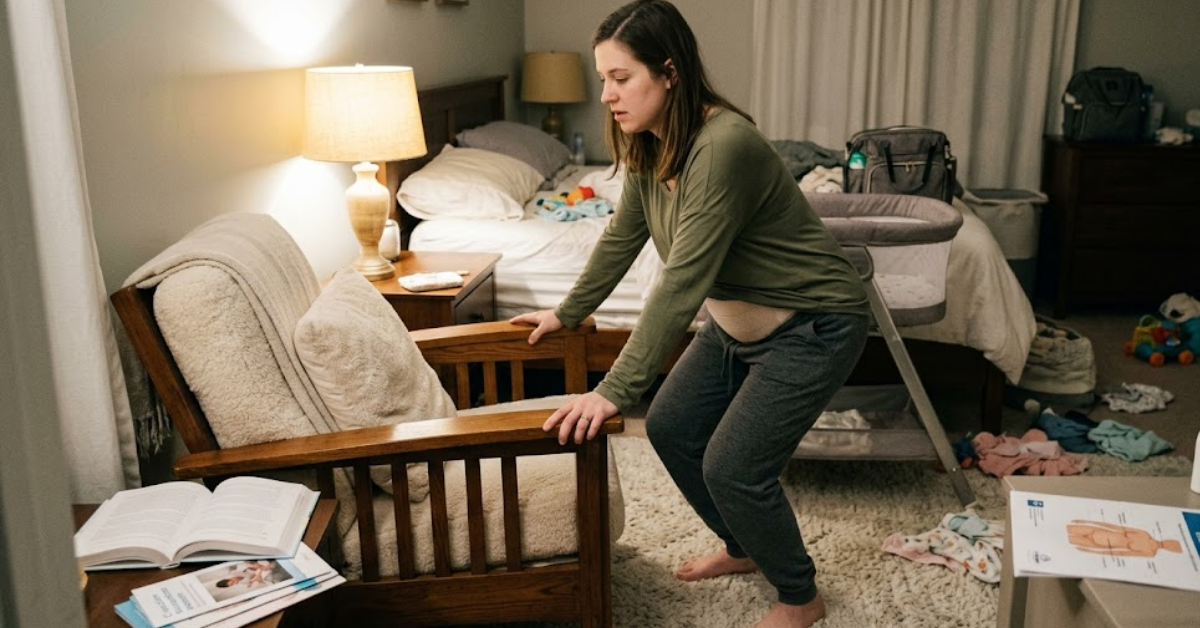
During this initial period, the focus is primarily on rest, gentle movement (such as short walks), and avoiding any activity that places strain on the incision. Bending at the waist is generally discouraged during this time. Instead, techniques like bending at the knees while keeping the back straight, or using assistance from a partner or support person, are often recommended for tasks like picking things up.
Weeks 2–4
As healing progresses, many people find they can begin very gentle bending, such as bending slightly to reach low objects, though this should still be done cautiously and without significant abdominal strain. Pain or pulling sensations at the incision site are signals to stop and modify the movement.
Weeks 4–6
By this stage, many people have their postpartum follow-up appointment, where a healthcare provider can assess healing and provide personalized guidance on resuming more typical movements, including bending, light exercise, and other physical activities.
Beyond 6 Weeks
For many people, by six weeks postpartum, the incision has healed enough on the surface, and internal healing has progressed significantly, allowing for a gradual return to more normal movement patterns, including bending, as cleared by a healthcare provider.
It’s important to note that internal healing, particularly of the deeper abdominal layers, can take longer than the visible incision suggests, sometimes several months, which is why a gradual, cautious return to full activity is generally recommended even after the initial six-week mark.
Why You Should Always Follow Your Doctor’s Specific Guidance
While general timelines provide a helpful framework, individual recovery can vary significantly based on factors such as:
- Whether this was a first C-section or a repeat procedure
- Any complications during surgery or recovery
- Overall health and healing factors specific to the individual
- The specific surgical technique used
Because of this variability, your healthcare provider’s specific recommendations, based on your individual healing progress, should always take priority over general guidelines found online.
Safe Ways to Bend During Early Recovery
If you need to pick something up or reach for an item during the early weeks of recovery, consider these safer alternatives to bending at the waist:
1. Bend at the Knees
Squatting down by bending the knees while keeping your back and core relatively straight reduces strain on the abdominal incision compared to bending forward at the waist.
2. Use a Reacher or Grabber Tool
For lighter objects, a long-handled reacher tool can help you pick things up from the floor or low surfaces without bending at all.
3. Ask for Help
Don’t hesitate to ask a partner, family member, or friend to help with tasks that would otherwise require bending, lifting, or reaching, especially during the first couple of weeks.
4. Support Your Incision
If you do need to bend slightly or engage your core in any way (such as during a cough or sneeze), gently supporting the incision area with a hand or small pillow can help reduce strain and discomfort.
5. Raise Items to a Higher Level
When possible, set up your living space so that frequently needed items (like diapers, baby supplies, or personal items) are placed at waist height or higher, reducing the need to bend down repeatedly.
Signs You’re Bending Too Soon or Doing Too Much
As you gradually reintroduce bending and other movements, watch for these signs that you may need to slow down:
- Sharp or pulling pain at the incision site
- Increased swelling or redness around the incision
- A feeling of heaviness or pressure in the pelvic area
- Unusual discharge from the incision
- Fever or other signs of infection
If you notice any of these symptoms, stop the activity and contact your healthcare provider for guidance.
Other Movements to Be Cautious About During Recovery
In addition to bending, several other movements are generally approached with similar caution during the early weeks after a C-section:
- Lifting heavy objects (generally anything heavier than your baby is advised against in the early weeks)
- Climbing stairs frequently, which can be tiring and place strain on the body
- Twisting motions, which also engage the abdominal muscles
- Vigorous exercise, including core-focused workouts, until cleared by a healthcare provider
When Can You Resume Normal Activity, Including Exercise?
Most healthcare providers recommend waiting until after your six-week postpartum check-up before resuming more vigorous exercise, including activities that significantly engage the core. Even after clearance, many providers recommend gradually reintroducing core-strengthening exercises, since the abdominal muscles and connective tissue may still be in the process of fully healing beneath the surface.
Final Thoughts
So, when can you start bending after a C-section? While light, cautious bending (such as bending at the knees rather than the waist) is often manageable within the first couple of weeks, more typical bending motions are generally reintroduced gradually between four and six weeks postpartum, with full clearance often coming at your postpartum follow-up appointment. Since every recovery is different, it’s important to listen to your body, watch for warning signs, and follow your healthcare provider’s personalized guidance rather than relying solely on general timelines.
This article is for general informational purposes and is not a substitute for professional medical advice. Always consult your healthcare provider regarding your specific postpartum recovery and activity restrictions.
Also Read More articles at homepage: anxietymedicationreleaf.co.uk