
Introduction
Returning to everyday activities after a C-section takes time, and driving is one of those tasks that many new mothers are eager to resume, whether it’s for medical appointments, errands, or simply regaining a sense of independence. If you’ve been wondering “when can you drive after C-section,” the answer depends on several factors related to your physical recovery, medication use, and your ability to safely respond in an emergency. This guide breaks down the general timeline, the reasoning behind it, and how to know when you’re truly ready to get back behind the wheel.
Why Driving After a C-Section Requires Extra Caution
Driving requires more than just sitting in a seat, it involves the ability to quickly twist, brake suddenly, turn the steering wheel with force if needed, and react to unexpected situations on the road. After a C-section, several factors can affect your ability to do these things safely:
- Abdominal incision and healing tissue – Sudden movements, such as slamming on the brakes, can place significant strain on the incision area.
- Pain medication – Many pain medications prescribed after a C-section, particularly opioid-based options, can cause drowsiness or impaired reaction times, making driving unsafe.
- Core strength and mobility – Activities like checking blind spots, reaching for the steering wheel quickly, or maneuvering in tight parking situations rely on core engagement, which may be limited during early recovery.
- General fatigue – Postpartum recovery combined with newborn care often leads to significant fatigue, which can affect alertness and reaction time behind the wheel.
General Timeline for Driving After a C-Section
While individual recovery varies, here’s a general guideline many healthcare providers use when discussing driving readiness after a C-section:
First 1–2 Weeks
During this early period, driving is generally not recommended. This is largely due to a combination of physical healing needs and the common use of prescription pain medication, which can impair reaction time and alertness.
Weeks 2–4
Some people may feel ready to drive short distances during this period, particularly once they’ve stopped taking prescription pain medication and feel confident in their ability to perform sudden movements, like braking quickly, without significant pain or hesitation. However, many providers still recommend waiting until closer to the four-week mark or beyond.
Weeks 4–6
By this stage, many people feel more physically capable of handling the demands of driving, including quick reactions and comfortable movement. This timeframe often aligns with reduced reliance on stronger pain medications and improved overall mobility.
After Your Postpartum Check-Up (Typically Around 6 Weeks)
Many healthcare providers use the postpartum follow-up appointment as a checkpoint to assess overall healing and provide personalized clearance for activities like driving, exercise, and other physical tasks.
Key Factors That Determine When You’re Ready to Drive
Rather than focusing solely on a specific number of weeks, consider these practical factors when evaluating your own readiness to drive:
Also Read About: When Can I Start Bending After C-Section? A Recovery Guide
1. Are You Off Prescription Pain Medication?
If you’re still taking prescription pain medication, particularly opioids, that cause drowsiness or impaired alertness, driving is not considered safe. Many people transition to over-the-counter pain relief within the first couple of weeks, which is generally a positive sign for eventual driving readiness, though it’s still important to assess your overall comfort and reaction ability.
2. Can You Perform a Sudden, Forceful Movement Without Pain?
A simple way to assess readiness is to consider whether you could comfortably and quickly press hard on a brake pedal or twist your body suddenly without significant pain at the incision site. If quick, forceful movements still cause noticeable pain or pulling sensations, you likely aren’t ready to drive safely yet.
3. Are You Experiencing Significant Fatigue?
Even without medication, the combination of surgical recovery and newborn care can lead to significant fatigue, which affects alertness and reaction time. If you’re feeling consistently exhausted, it may be worth waiting until you have more reliable rest before resuming driving.
4. Has Your Healthcare Provider Cleared You?
Ultimately, your healthcare provider is in the best position to assess your individual healing progress and provide specific guidance on when it’s safe to resume driving, based on factors unique to your recovery.
Insurance and Legal Considerations
In addition to physical readiness, it’s worth being aware that some insurance policies or specific medical advice may include explicit guidance about driving restrictions after surgery, including C-sections. While this varies, it’s a good idea to:
- Review any specific instructions provided by your hospital or surgical team at discharge
- Ask your healthcare provider directly about driving guidelines specific to your situation
- Consider checking with your auto insurance provider if you have specific concerns about coverage during your recovery period
Signs You’re Not Yet Ready to Drive
Watch for these signs that indicate you may need to wait longer before driving:
- Pain or pulling sensations with sudden movements
- Continued use of medication that causes drowsiness or impaired alertness
- Difficulty turning your torso or reaching comfortably
- Significant fatigue that affects your concentration
- Any signs of complications at the incision site, such as increased pain, swelling, or unusual discharge
Tips for Easing Back into Driving
Once you and your healthcare provider feel you’re ready to resume driving, consider these tips for a smoother transition:
- Start with short trips – Begin with brief, familiar drives rather than long trips or unfamiliar routes.
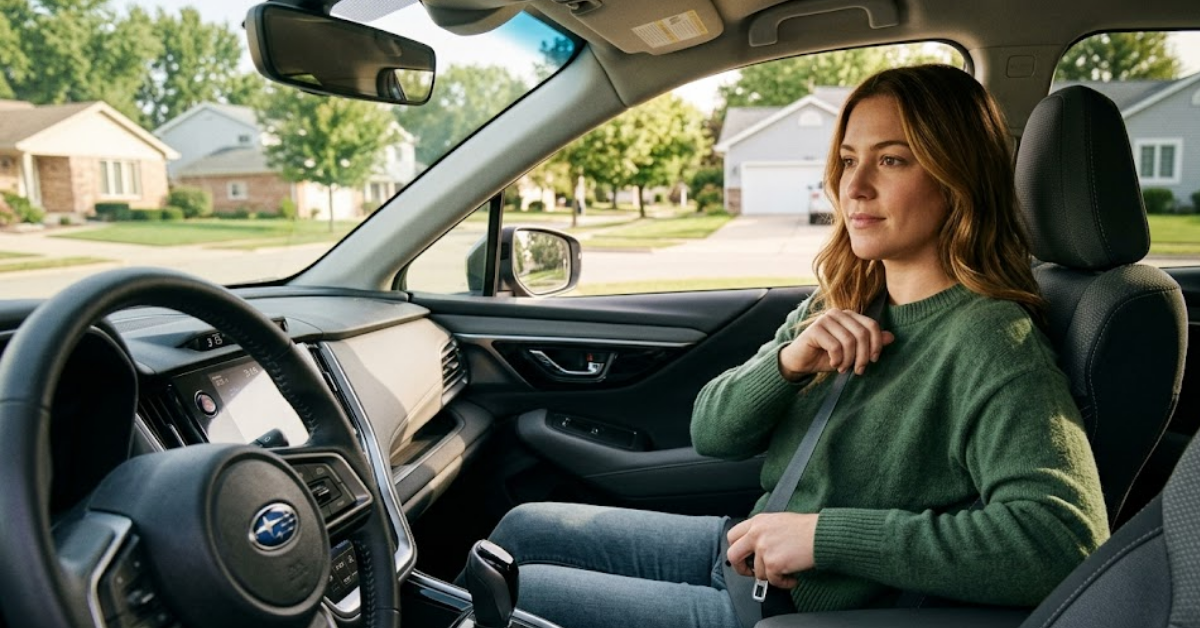
- Adjust your seating position – Make sure your seatbelt and seat position are comfortable and don’t place pressure directly on your incision area.
- Avoid driving when overly tired – If you’re having a particularly exhausting day, it may be better to delay driving until you’re more rested.
- Have a backup plan – If possible, arrange for help with transportation in case you’re not feeling up to driving on a given day, even after you’ve technically resumed.
Final Thoughts
So, when can you drive after a C-section? While there’s no single universal answer, most healthcare providers suggest waiting at least one to two weeks at minimum, often closer to four to six weeks, depending on factors like pain medication use, physical comfort with sudden movements, and overall recovery progress. Since driving requires both physical readiness and mental alertness, it’s important to assess your individual situation honestly and follow your healthcare provider’s specific guidance rather than relying solely on a general timeline.
This article is for general informational purposes and is not a substitute for professional medical advice. Always consult your healthcare provider regarding your specific postpartum recovery and driving readiness.
Also Read More articles at homepage: anxietymedicationreleaf.co.uk