Anxiety is one of the most common mental health challenges people face today, but for many individuals, it becomes far more than occasional stress or worry. Persistent anxiety can interfere with relationships, work performance, physical health, sleep, and overall quality of life. While some people successfully manage symptoms through outpatient therapy or lifestyle changes, others may require a more structured and supportive environment to begin healing effectively.
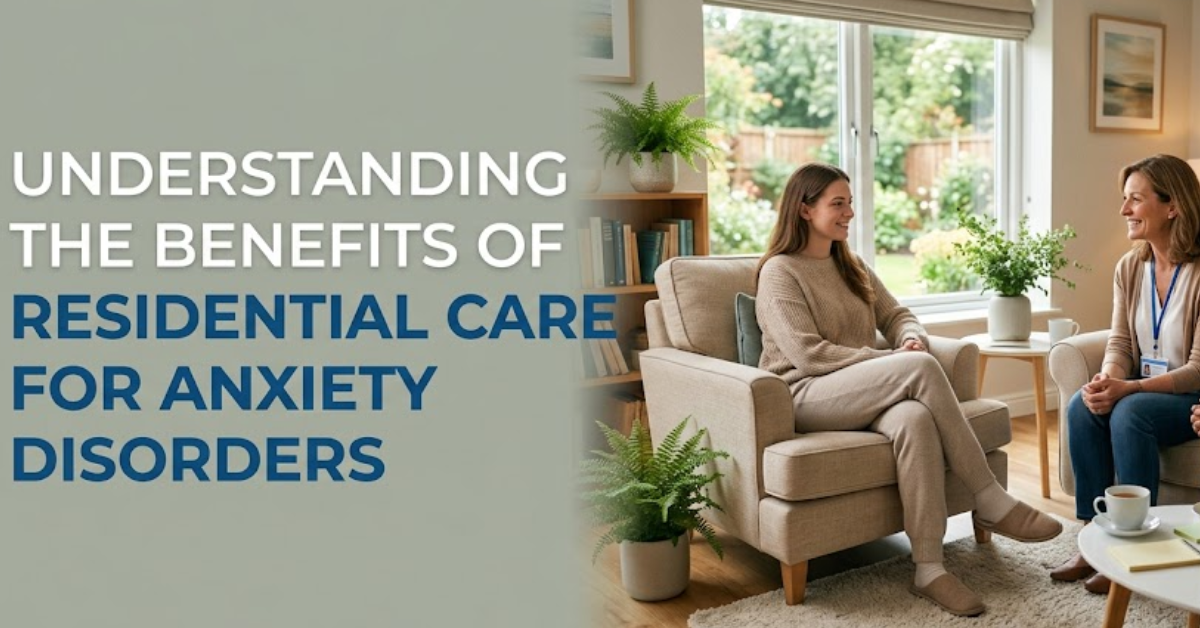
Residential care offers individuals the opportunity to step away from daily stressors and focus fully on recovery in a safe, therapeutic setting. For people struggling with severe anxiety symptoms, panic attacks, obsessive thoughts, or anxiety-related avoidance behaviors, a professional inpatient anxiety treatment program can provide the stability and guidance needed to regain control and build healthier coping mechanisms.
Understanding Anxiety Disorders
Anxiety disorders involve more than temporary nervousness or stress before important events. They are ongoing mental health conditions that can affect both emotional and physical well-being. Anxiety may present differently from person to person, but common symptoms often include:
- Constant worrying or racing thoughts
- Difficulty concentrating
- Irritability or restlessness
- Sleep disturbances
- Muscle tension or headaches
- Panic attacks
- Rapid heartbeat or shortness of breath
- Avoidance of social situations or triggering environments
Several forms of anxiety disorders exist, including generalized anxiety disorder (GAD), panic disorder, social anxiety disorder, phobias, obsessive-compulsive disorder (OCD), and post-traumatic stress disorder (PTSD). In many cases, anxiety may also occur alongside depression, trauma, or substance use disorders.
When symptoms become overwhelming and start interfering with daily functioning, professional treatment can play a critical role in recovery.
Why Some Individuals Need Residential Treatment
Outpatient counseling can be highly effective for mild to moderate anxiety. However, there are situations where weekly therapy sessions alone may not provide enough support. Some individuals experience anxiety symptoms so severe that they struggle to maintain routines, attend work or school, or care for themselves properly.
Residential treatment provides a higher level of care by offering 24-hour support within a structured therapeutic environment. This setting allows individuals to focus entirely on healing without the distractions or triggers that may exist in everyday life.
People may benefit from residential anxiety care if they:
- Experience frequent panic attacks
- Have difficulty functioning in daily life
- Struggle with severe social anxiety or avoidance behaviors
- Have co-occurring mental health conditions
- Feel emotionally overwhelmed or unsafe
- Need medication stabilization and monitoring
- Have not improved with outpatient therapy alone
Receiving care in a supportive setting can help individuals develop stability while learning healthier ways to manage anxious thoughts and behaviors.
A Structured Environment Promotes Healing
One of the primary benefits of residential care is structure. Anxiety often thrives in chaos, unpredictability, and overstimulation. Residential treatment centers create consistent routines that help individuals feel safer and more emotionally grounded.
A structured daily schedule may include:
- Individual therapy sessions
- Group counseling
- Psychiatric support
- Mindfulness practices
- Recreational activities
- Stress management exercises
- Healthy meal planning
- Sleep and wellness support
These routines encourage emotional regulation and reduce the uncertainty that can intensify anxiety symptoms. Over time, structure helps individuals regain confidence in their ability to manage daily responsibilities and emotions.
Access to Evidence-Based Therapies
Residential anxiety treatment programs typically use evidence-based approaches that have been proven effective for anxiety disorders. Therapy is often personalized based on each individual’s symptoms, triggers, and treatment goals.
Some commonly used therapies include:
Cognitive Behavioral Therapy (CBT)
CBT helps individuals identify negative thought patterns that contribute to anxiety. Through therapy, clients learn how to challenge irrational fears, reframe anxious thinking, and develop healthier responses to stress.
Exposure Therapy
Exposure therapy is often used for phobias, OCD, and panic disorders. It gradually helps individuals face feared situations or thoughts in a safe and controlled environment, reducing avoidance behaviors over time.
Mindfulness and Relaxation Techniques
Mindfulness practices teach individuals how to stay present instead of becoming consumed by fear about the future. Deep breathing, meditation, grounding exercises, and progressive muscle relaxation can significantly reduce physical symptoms of anxiety.
Group Therapy
Group sessions allow individuals to connect with others facing similar challenges. This sense of shared understanding can reduce feelings of isolation and provide encouragement throughout recovery.
24/7 Professional Support
Another important advantage of residential treatment is around-the-clock access to professional care. Anxiety symptoms can become intense unexpectedly, especially during panic attacks or emotional crises. Having trained mental health professionals available at all times provides reassurance and immediate support when needed.
Psychiatrists, therapists, nurses, and behavioral health specialists work together to monitor progress and adjust treatment plans as necessary. This collaborative approach helps ensure that individuals receive comprehensive care tailored to their unique needs.
For people who require medication management, residential programs also provide careful supervision to monitor effectiveness and minimize side effects.
Reduced Exposure to External Stressors
Daily life can sometimes reinforce anxiety symptoms. Work pressures, family conflict, social obligations, financial concerns, or unhealthy environments may contribute to ongoing emotional distress.
Residential treatment allows individuals to temporarily step away from those stressors and focus entirely on recovery. This separation can create mental clarity and provide the emotional space needed to address underlying issues without constant outside pressure.
Being in a calm and supportive environment also helps individuals practice new coping skills before returning to everyday situations.
Building Long-Term Coping Skills
Effective anxiety treatment is not only about reducing symptoms in the moment. Long-term recovery involves learning practical strategies that support emotional wellness after treatment ends.
Residential programs often focus heavily on skill-building, helping individuals learn how to:
- Manage stress more effectively
- Improve communication skills
- Establish healthy boundaries
- Recognize triggers early
- Develop emotional resilience
- Create balanced daily routines
- Maintain healthy sleep habits
- Practice self-care consistently
These tools can make a significant difference in preventing relapse and improving overall quality of life.
Addressing Co-Occurring Conditions
Many individuals with anxiety disorders also struggle with additional mental health concerns. Depression, trauma, eating disorders, and substance misuse commonly occur alongside chronic anxiety.
Residential care provides integrated treatment that addresses both anxiety and any co-occurring conditions simultaneously. Treating only one issue while ignoring another often limits long-term success. Comprehensive care helps individuals better understand the connection between their emotional experiences and behaviors.
This whole-person approach supports deeper healing and more sustainable recovery outcomes.
The Importance of Aftercare Planning
Recovery does not end when residential treatment is complete. Transitioning back into daily life can feel overwhelming without continued support. Strong aftercare planning helps individuals maintain progress and continue practicing healthy coping strategies.
Aftercare plans may include:
- Outpatient therapy
- Medication management
- Support groups
- Continued psychiatric care
- Family counseling
- Wellness and stress-management routines
Having a clear plan in place reduces uncertainty and helps individuals feel more confident about maintaining recovery outside of treatment.
Seeking Help Is a Sign of Strength
Many people delay seeking anxiety treatment because they fear judgment or believe they should be able to manage symptoms on their own. In reality, asking for help is an important and courageous step toward healing.
Anxiety disorders are highly treatable, and recovery is possible with the right support system. Residential care provides a compassionate environment where individuals can better understand their symptoms, receive professional guidance, and begin rebuilding their emotional well-being.
No one should have to face severe anxiety alone. With personalized treatment, evidence-based therapies, and ongoing support, individuals can develop healthier ways to cope with stress and move forward with greater confidence, stability, and hope for the future.