Introduction
There’s a popular belief floating around that painful periods are somehow a sign of being more fertile, as if the discomfort is proof that everything is working “extra well” in your reproductive system. If you’ve experienced intense period cramps and wondered, “are painful periods a sign of good fertility,” you’re not alone in hoping there’s a silver lining to the pain. However, the relationship between period pain and fertility is more nuanced than this popular belief suggests. This guide explores what period pain actually indicates, when it might be worth discussing with a doctor, and what factors truly play a role in fertility.
Where Does the Idea Come From?
The idea that painful periods indicate good fertility likely stems from the fact that period pain (medically known as dysmenorrhea) is often caused by prostaglandins, hormone-like substances that cause the uterus to contract in order to shed its lining. Since ovulation and a functioning menstrual cycle are necessary for fertility, some people have connected the dots to assume that more intense cramping equals a “stronger” or more fertile reproductive system.
However, this isn’t an accurate representation of how fertility actually works. While having regular periods is generally a good sign that your body is ovulating, the intensity of period pain doesn’t directly correlate with how fertile you are.
What Period Pain Actually Indicates
Normal Period Pain (Primary Dysmenorrhea)
Mild to moderate cramping during your period is extremely common and is caused by prostaglandins triggering uterine contractions to help shed the uterine lining. This type of pain, known as primary dysmenorrhea, is considered a normal part of menstruation for many people and doesn’t necessarily indicate anything about fertility, positive or negative.
When Pain Might Indicate an Underlying Issue (Secondary Dysmenorrhea)
In some cases, particularly painful periods can be a symptom of an underlying condition rather than simply a sign of “strong” reproductive function. Conditions that can cause secondary dysmenorrhea include:
- Endometriosis – A condition where tissue similar to the uterine lining grows outside the uterus, often causing significant pain and, in some cases, fertility challenges.
- Uterine fibroids – Noncancerous growths in the uterus that can cause heavy bleeding and pain, and depending on size and location, may affect fertility.
- Adenomyosis – A condition where the uterine lining grows into the muscular wall of the uterus, often causing painful, heavy periods.
- Pelvic inflammatory disease (PID) – An infection of the reproductive organs that can cause pain and, if untreated, may lead to fertility complications.
- Also Read About: Do You Gain Weight When You’re on Your Period? Here’s the Truth
In these cases, severe period pain isn’t a sign of “good” fertility, it may actually be a signal that something needs medical attention, and in some instances, could be associated with fertility challenges rather than enhanced fertility.
So, Are Painful Periods a Sign of Good Fertility?
Not directly. Having periods at all, whether painful or relatively pain-free, generally indicates that ovulation is occurring, which is an important part of fertility. However, the level of pain itself isn’t a reliable indicator of fertility status.
In other words:
- Mild cramps don’t mean you’re “less fertile.”
- Severe cramps don’t mean you’re “more fertile.”
- What matters more for fertility is whether ovulation is occurring regularly and whether there are any underlying conditions affecting the reproductive system.
Some people with very painful periods have no fertility issues at all, while others with relatively mild periods may experience fertility challenges due to other factors entirely unrelated to period pain.
Also Read About: Can You Go in a Pool While on Your Period? What You Need to Know
What Actually Indicates Healthy Fertility?
Rather than focusing on period pain, there are other indicators that are more closely associated with reproductive health:
Regular Menstrual Cycles
Having a relatively consistent cycle length (commonly anywhere from 21 to 35 days) is often considered a sign that ovulation is occurring regularly, which is an important factor for fertility.
Signs of Ovulation
Some people track signs of ovulation, such as changes in cervical mucus or basal body temperature shifts, as indicators that their body is releasing an egg each cycle.
Hormone Levels
Hormones like estrogen, progesterone, FSH (follicle-stimulating hormone), and LH (luteinizing hormone) all play roles in the menstrual cycle and fertility. These can be evaluated through blood tests if there are concerns about fertility.
Overall Reproductive Health
Factors like the health of the fallopian tubes, uterus, and ovaries, often assessed through imaging or other diagnostic tests, play a more direct role in fertility than the subjective experience of period pain.
When Should You Talk to a Doctor About Painful Periods?
While some level of period discomfort is common, certain signs may indicate it’s time to consult a healthcare provider:
- Pain that interferes with daily activities, such as missing work or school regularly due to period pain
- Pain that has gotten progressively worse over time
- Pain accompanied by heavy bleeding, especially if you’re soaking through pads or tampons more frequently than usual
- Pain during sex, which can sometimes be associated with conditions like endometriosis
- Difficulty getting pregnant after a period of trying, alongside a history of painful periods
A healthcare provider can help determine whether your period pain falls within a typical range or whether it may be related to an underlying condition that could benefit from treatment.
Managing Painful Periods
Regardless of what period pain may or may not indicate about fertility, managing the discomfort can significantly improve quality of life. Common approaches include:
- Over-the-counter pain relievers, such as NSAIDs, which can help reduce prostaglandin production and ease cramping
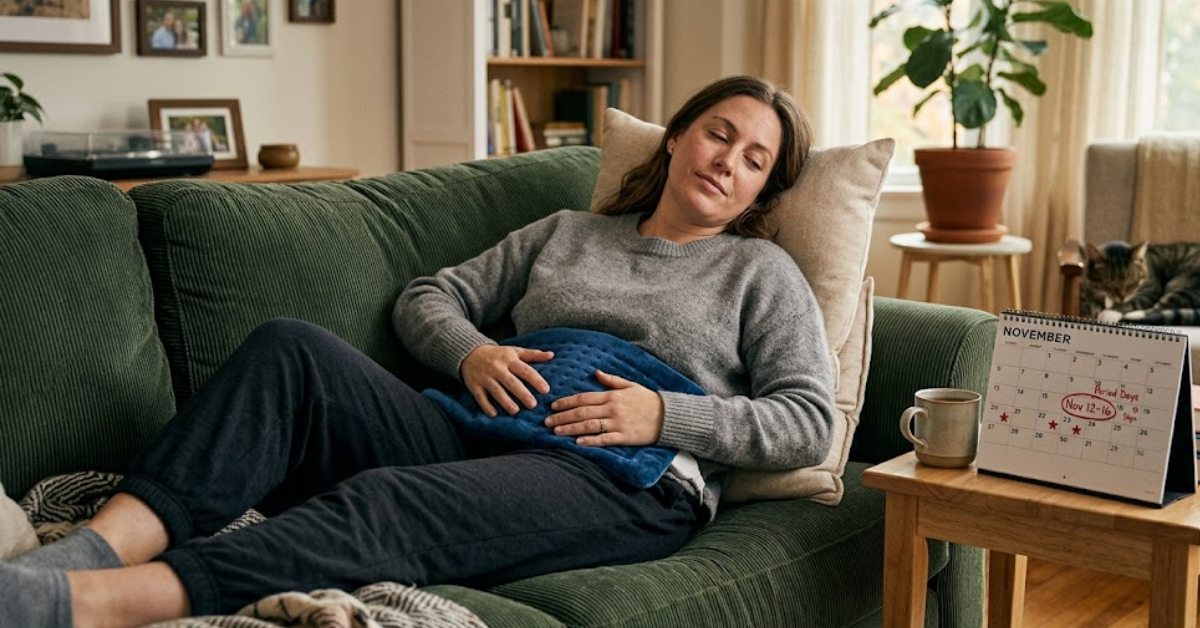
- Heat therapy, such as heating pads, which can help relax uterine muscles
- Gentle exercise, which may help improve circulation and reduce cramping for some people
- Hormonal birth control, which some healthcare providers may recommend for managing severe period pain, depending on individual circumstances
Final Thoughts
So, are painful periods a sign of good fertility? Not in any direct or reliable way. While having a menstrual cycle at all is generally a positive sign for reproductive health, the intensity of period pain doesn’t serve as an indicator of how fertile someone is. In fact, severe period pain can sometimes point to underlying conditions that are worth discussing with a healthcare provider, particularly if the pain is significant or interferes with daily life. If you’re concerned about your fertility, the most reliable path forward is speaking with a healthcare provider who can evaluate your overall reproductive health rather than relying on period pain as an indicator.
This article is for general informational purposes and is not a substitute for professional medical advice. Always consult your healthcare provider regarding any health or fertility concerns.
Also Read More articles at homepage: anxietymedicationreleaf.co.uk