Introduction
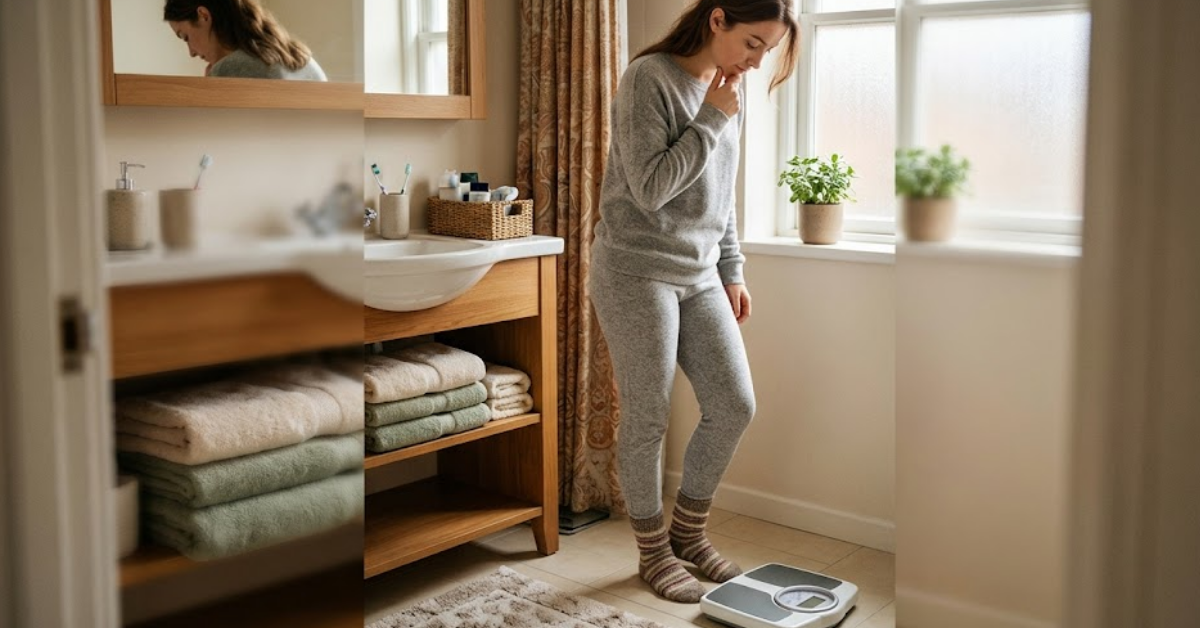
If you’ve ever stepped on the scale during “that time of the month” and felt a flash of panic at the number staring back at you, you’re not imagining things. Many people notice their weight fluctuates around their period, leading to the common question: “do you gain weight when you’re on your period?” The short answer is yes, but the type of weight gain involved is usually temporary and very different from gaining body fat. This guide explains what’s actually happening in your body, why the scale changes, and how to manage period-related bloating and discomfort.
Is Period Weight Gain Real?
Yes, period-related weight gain is a real and well-documented phenomenon. Many people notice an increase of anywhere from one to five pounds in the days leading up to and during their period. This weight gain is almost entirely due to water retention, not an increase in body fat.
This means that while the number on the scale may go up temporarily, it doesn’t reflect any actual change in body composition. Once your period ends and hormone levels shift again, this extra weight typically goes away on its own.
Why Does Your Body Retain Water Before and During Your Period?
The main culprit behind period-related weight gain is hormonal fluctuation, specifically changes in estrogen and progesterone levels throughout your menstrual cycle.
Hormonal Changes
In the days leading up to your period (often called the luteal phase), progesterone levels rise and then drop sharply right before menstruation begins. This hormonal shift affects how your body manages sodium and fluid balance, often leading to increased water retention.
Increased Sodium Retention
Hormonal changes during this phase can also cause your kidneys to retain more sodium than usual. Since sodium attracts water, this can lead to noticeable bloating, particularly in the abdomen, but also sometimes in the hands, feet, and face.
Changes in Digestion
Many people also experience changes in digestion around their period, including constipation or, alternatively, diarrhea, due to hormonal effects on the digestive system. Constipation, in particular, can contribute to a feeling of fullness and bloating, which can also make the scale tick up slightly.
Common Symptoms Associated with Period Weight Gain
Along with the number on the scale increasing slightly, many people experience related symptoms during this time, including:
- Bloating, especially in the lower abdomen
- Breast tenderness or swelling, due to hormonal changes affecting breast tissue
- Swelling in the hands, feet, or ankles, related to overall water retention
- A feeling of “puffiness” in the face or other areas
- Increased appetite or cravings, particularly for salty or sugary foods, which can sometimes contribute to additional water retention if salt intake increases significantly
How Much Weight Gain Is Normal During Your Period?
While it varies from person to person, gaining one to five pounds in the days before and during your period is considered within the normal range. This weight is almost always water weight rather than fat, and it typically resolves within a few days after your period ends.
If you notice consistent, significant weight changes that don’t follow this typical pattern, or if symptoms feel unusually severe, it may be worth discussing with a healthcare provider, as this could be related to other underlying factors.
When Does Period Weight Gain Typically Start and End?
For most people, water retention and related bloating begin a few days before their period starts, often during the late luteal phase of the menstrual cycle. This is typically when premenstrual syndrome (PMS) symptoms are most noticeable.
Once your period begins and progresses, hormone levels continue to shift, and many people find that bloating and water retention gradually decrease over the first few days of their period, often resolving completely within a few days after their period ends.
Also Read About: Can You Get a Pap Smear on Your Period? What You Should Know
Tips to Manage Period-Related Bloating and Water Retention
While period weight gain is temporary and natural, there are several strategies that may help reduce discomfort:
1. Stay Hydrated
It might seem counterintuitive, but drinking plenty of water can actually help reduce water retention. When your body is dehydrated, it tends to hold onto water as a protective measure. Staying well-hydrated supports your body’s natural fluid balance.
2. Reduce Sodium Intake
Since sodium contributes to water retention, being mindful of salt intake in the days leading up to your period may help minimize bloating. This doesn’t mean eliminating salt entirely, but being aware of high-sodium processed foods can make a difference.
3. Eat Potassium-Rich Foods
Potassium can help balance sodium levels in the body and support healthy fluid balance. Foods like bananas, sweet potatoes, spinach, and avocados are good sources of potassium.
4. Engage in Light Exercise
Gentle movement, such as walking, yoga, or swimming, can help improve circulation and reduce bloating. Exercise can also help with overall mood and energy levels during your period, which are often affected by hormonal changes.
5. Limit Caffeine and Alcohol
Both caffeine and alcohol can affect hydration levels and may contribute to bloating for some people. Reducing intake during this time may help some individuals feel less puffy.
6. Get Adequate Sleep
Hormonal fluctuations can affect sleep quality, and poor sleep can, in turn, affect hormone regulation and fluid balance. Prioritizing rest during this time can support your body’s natural processes.
Does Period Weight Gain Mean You’re Gaining Fat?
No. It’s important to understand that the temporary weight increase associated with your period is due to water retention, not fat gain. The number on the scale during this time doesn’t reflect any actual change in body composition, calorie intake, or fitness level.
If you’ve noticed the scale go up during your period despite no changes in diet or exercise, this is a completely normal and expected part of the menstrual cycle, and the weight will typically come back down once your period ends.
When to Talk to a Doctor
While mild bloating and water retention are normal parts of the menstrual cycle, you should consider speaking with a healthcare provider if you experience:
- Severe or worsening bloating that doesn’t improve after your period ends
- Significant, unexplained weight changes outside of your typical pattern
- Bloating accompanied by severe pain, which could indicate other underlying conditions
A healthcare provider can help determine whether your symptoms fall within a typical range or whether further evaluation is needed.
Final Thoughts
So, do you gain weight when you’re on your period? In most cases, yes, but this weight gain is temporary water retention caused by hormonal fluctuations, not an increase in body fat. Understanding this can help take some of the stress out of stepping on the scale during this time of the month. With small lifestyle adjustments like staying hydrated, managing sodium intake, and getting light exercise, many people find they can ease bloating and feel more comfortable throughout their cycle.
This article is for general informational purposes and is not a substitute for professional medical advice. Always consult your healthcare provider regarding any health concerns.
Also Read More articles at homepage: anxietymedicationreleaf.co.uk