Introduction
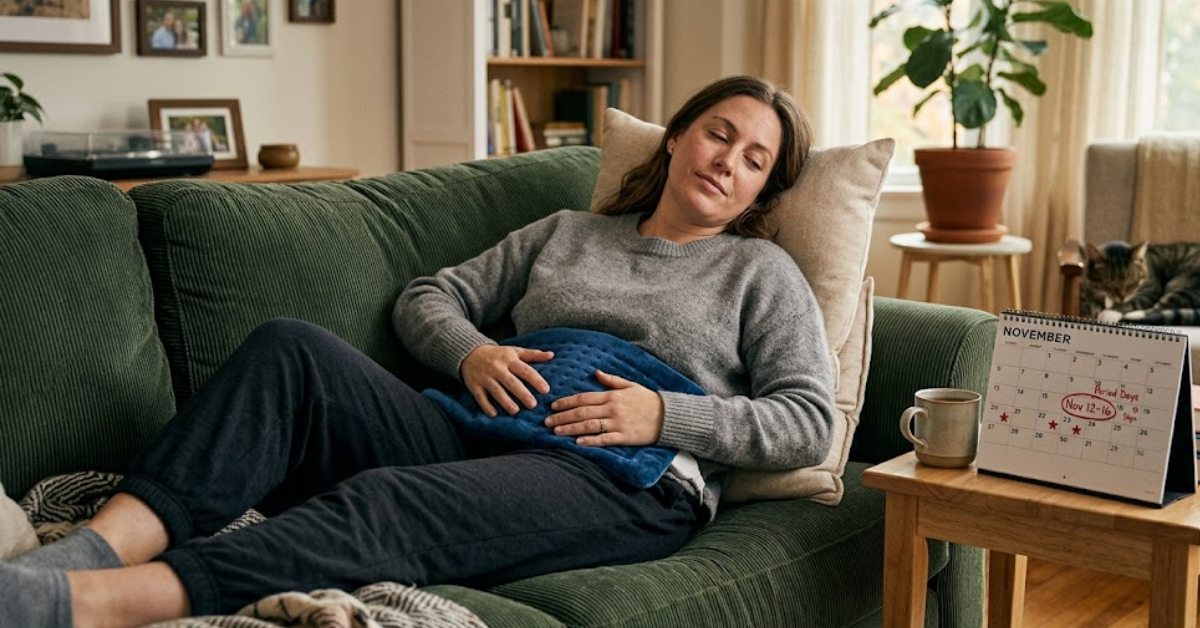
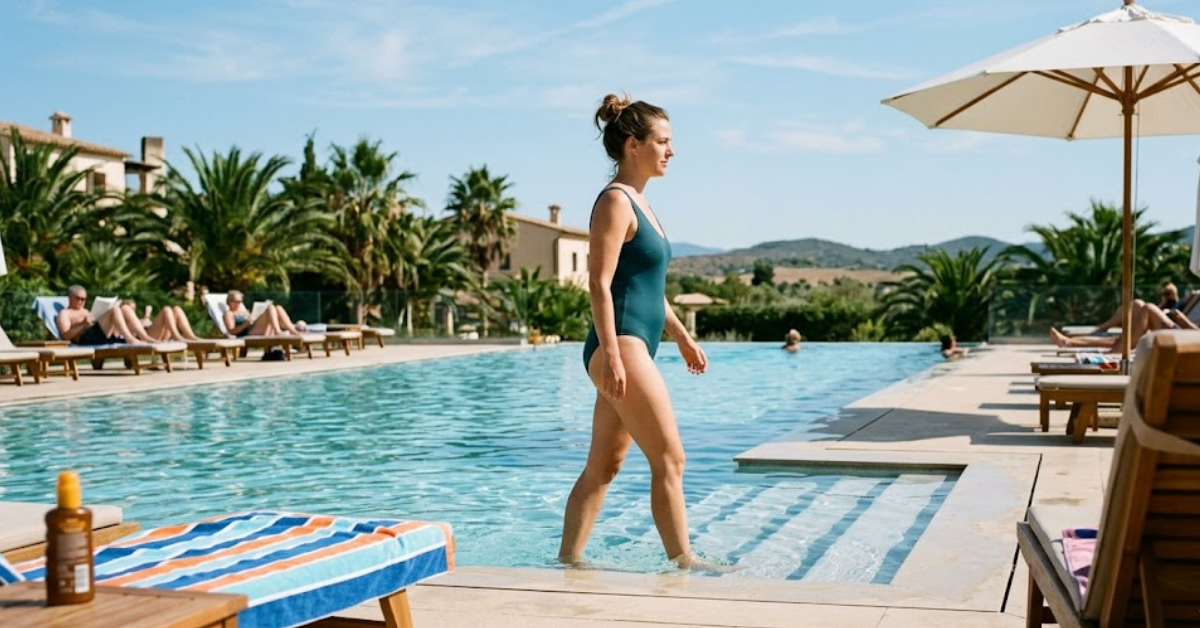
For many people, periods can feel like they put a pause on certain activities, including swimming. But if you’ve ever found yourself wondering “can you go in a pool while on your period,” the short answer is yes, it’s completely safe and many people do it regularly. With the right preparation, there’s no medical reason to skip the pool just because you’re menstruating. This guide covers everything you need to know, from how water affects flow to product options and tips for feeling confident and comfortable.
Is It Safe to Swim on Your Period?
Yes, swimming during your period is generally considered safe. There’s no medical reason that menstruation should prevent you from swimming in a pool, ocean, lake, or any other body of water. In fact, many people find that swimming can even help relieve menstrual cramps, since gentle exercise increases blood flow and can ease muscle tension.
Water pressure can also temporarily slow the flow of menstrual blood while you’re submerged, which is one reason some people feel like their period “pauses” while swimming. However, this is temporary, and flow typically resumes once you’re out of the water.
Will Period Blood Be Visible in the Pool?
This is one of the most common concerns, and the answer largely depends on a few factors:
- Water pressure – As mentioned, water pressure can reduce flow while you’re submerged, which often minimizes visible blood in the water.
- Flow level – If you have a lighter flow, it’s less likely to be noticeable. Heavier flow days may require extra precautions.
- Use of period products – Wearing a tampon, menstrual cup, or period swimwear can help manage flow and reduce the chances of any visible blood.
For most people, especially those using internal protection like tampons or menstrual cups, blood is very unlikely to be visible in pool water.
Best Period Products for Swimming
If you’re planning to swim during your period, certain products work better than others for managing flow in the water.
Tampons
Tampons are one of the most popular choices for swimming during your period. Since they’re inserted internally, they absorb flow before it has a chance to enter the water. It’s a good idea to insert a fresh tampon right before swimming and change it again afterward, since tampons can absorb pool water in addition to menstrual flow, which may cause them to feel fuller more quickly.
Menstrual Cups
Menstrual cups are another excellent option for swimming. They sit internally and collect (rather than absorb) menstrual flow, and they don’t absorb pool water the way tampons can. Many people find cups to be a comfortable, long-lasting option for swim days.
Period Swimwear
Period swimwear is designed with built-in absorbent layers that can handle light to moderate flow. While not typically designed to fully replace internal protection for heavier flow days, period swimwear can be a great option on its own for lighter days or as an added layer of confidence alongside a tampon or cup.
Pads
Regular pads are not recommended for swimming, as they absorb water and become heavy, ineffective, and uncomfortable very quickly. If you prefer external protection, period swimwear is a much better alternative for water activities.
Tips for Swimming Comfortably During Your Period
- Insert your tampon or cup right before getting in the water, and remember to change it again once you’re done swimming.
- Wear darker swimwear if you’re concerned about any potential leaks, as it can provide extra peace of mind.
- Bring a spare period product and a change of clothes in your pool bag for convenience.
- Time your swim around your flow, if you have a particularly heavy flow, you might choose to swim during lighter days of your cycle, though this isn’t necessary for everyone.
- Stay relaxed, periods are a completely natural process, and millions of people swim on their periods every day without any issues.
Does Chlorine Affect Your Period or Vice Versa?
Some people wonder whether chlorine and pool chemicals can affect their period, or whether menstrual blood can affect pool chemistry.
In terms of pool chemistry, the small amount of blood that might enter the water (especially if using internal protection) is generally diluted to an extent that it doesn’t meaningfully impact chlorine levels or water balance in a properly maintained pool. Pools are designed to handle various contaminants, and routine sanitation keeps the water safe for all swimmers.
As for chlorine affecting your period, there’s no evidence that swimming in a chlorinated pool has any negative effect on your menstrual cycle or flow.
Swimming and Period Cramps
Interestingly, many people find that swimming can actually help with period cramps. Light to moderate exercise, including swimming, increases blood circulation and can help relax muscles, potentially reducing the intensity of cramps. The buoyancy of water can also relieve pressure on the body, offering a gentle, low-impact way to stay active during your period.
Common Concerns Addressed
What if I leak in the pool? If a small leak occurs, it’s typically diluted quickly in the water and is rarely noticeable to others. Wearing internal protection significantly reduces this possibility.
Can I swim on heavy flow days? Yes, though you may want to use a combination of internal protection (tampon or cup) along with period swimwear for extra confidence and absorbency.
Is it hygienic to swim on your period? Yes, as long as you’re using appropriate period products and practicing normal hygiene, swimming during your period is just as hygienic as swimming at any other time.
Final Thoughts
So, can you go in a pool while on your period? Absolutely. With the right period products, whether that’s a tampon, menstrual cup, period swimwear, or a combination, swimming during your period is safe, hygienic, and completely normal. Many people even find that swimming helps ease cramps and boosts their mood. Don’t let your period keep you on the sidelines; with a little preparation, you can enjoy the water with confidence on any day of your cycle.
This article is for general informational purposes and is not a substitute for professional medical advice. If you have specific health concerns, consult a healthcare provider.
Also Read More articles at homepage: anxietymedicationreleaf.co.uk