
Tyres are one of the most critical safety components of your vehicle, they are the only part that touches the road. Many drivers know their tyres are in poor condition, but how bad are they really? Unsafe tyres often show worn-out tread reaching the wear bars, cracks, cuts, or bulges in the sidewalls, excessive vibration or thumping, poor traction (slipping or hydroplaning), uneven wear patterns, frequent pressure loss, or exposed cords and steel belts. These signs indicate compromised grip and structural integrity, putting you at risk of blowouts and loss of control, especially in wet conditions.
Understanding these signs is essential to prevent accidents and maintain road safety. In this guide, we’ll explore the most common signs that tyres are unsafe and how to check them. We’ll also explore how mobile tyre fitting services like Mobile Tyre Surgeons can help you stay safe on the road.
1. Tread Depth Is Too Low
One of the most critical indicators of tyre safety is tread depth. UK law requires tyres to have at least 1.6 mm of tread depth across the central three-quarters of the tyre. Driving on tyres below this minimum is not only unsafe but also illegal.
The easiest way to check is the 20p test: insert a 20p coin into the tyre grooves. If the outer rim of the coin is visible, your tyres are too worn and should be replaced.
Even if your tyres meet the legal minimum, tyres with less than 3 mm of tread can perform poorly in wet conditions, increasing the risk of aquaplaning and loss of control. Regular checks can help catch wear early, ensuring your tyres remain roadworthy.
2. Visible Cuts, Cracks, or Tears
Tyres naturally degrade over time due to exposure to sunlight, heat, and general wear. Cracks, cuts, or tears on the tread or sidewall are warning signs that your tyre may fail.
Small cuts may appear superficial, but if they penetrate the tyre’s internal layers, they compromise its structural integrity. Tyres with deep cracks or visible cords should never be driven on.
Routine visual inspections, especially before long trips, can help identify these issues before they become dangerous.
3. Bulges, Blisters, or Lumps
If you notice bulges or blisters on your tyre sidewall, this is a serious concern. Bulges indicate internal damage to the tyre, often caused by hitting potholes, kerbs, or other road hazards.
A tyre with a bulge is highly prone to sudden failure, and driving on it can result in blowouts. The safest action is to replace the tyre immediately.
Regular inspections and avoiding aggressive driving over potholes can reduce the risk of developing bulges.
4. Uneven or Abnormal Wear Patterns
Tyres should wear evenly across the tread. Uneven wear can signal issues such as:
- Misaligned wheels
- Faulty suspension components
- Incorrect tyre pressure
Watch for bald spots, feathering, or scalloped edges, as these can affect grip and vehicle stability. Uneven wear not only makes tyres unsafe but can also indicate underlying mechanical problems that need attention.
5. Embedded Objects and Punctures
Tyres are constantly exposed to debris on the road, including nails, screws, glass, and small stones. Even minor objects can slowly puncture your tyre, causing gradual air loss.
Regularly inspect your tyres and remove small debris safely. If a puncture is suspected, professional repair is essential. What seems minor on the surface may hide internal damage that could cause sudden tyre failure.
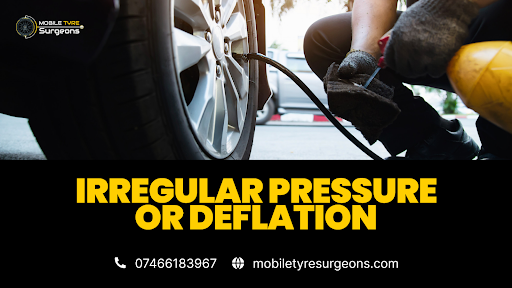
Tyres losing air consistently, even without visible damage, could indicate valve leaks, bead issues, or slow punctures.
- Under-inflated tyres flex excessively and generate heat, which accelerates wear and increases the risk of blowouts.
- Over-inflated tyres reduce road contact and make the tyre more susceptible to impact damage.
Checking tyre pressure monthly and before long journeys is crucial for safe driving.
7. Vibration or Poor Handling
If your car vibrates at speed or feels unstable, it may indicate tyre imbalance, uneven wear, or internal tyre damage. Even if the tyres appear fine visually, this is a sign that professional inspection is needed.
Ignoring unusual vibrations can worsen tyre damage, affect vehicle handling, and increase accident risk.
8. Age Related Tyre Degradation
Tyres degrade naturally over time. Even if tread depth appears adequate, rubber hardens and cracks with age.
- Tyres over 6 years old should be inspected regularly.
- Tyres over 10 years old should be replaced, regardless of appearance.
Ageing tyres are more prone to punctures, blowouts, and poor wet-weather performance.
9. Incorrect Tyre Specifications
Using the wrong tyre size, type, or load rating can make your tyres unsafe. Mixed tyres or mismatched patterns reduce grip, affect braking, and can compromise vehicle stability. Always ensure tyres meet your manufacturer’s specifications.
Preventing Tyre Problems
Keeping your tyres safe requires a combination of inspection, maintenance, and cautious driving. Here are some key preventive steps:
- Check tyre pressure monthly and adjust to recommended levels.
- Inspect tyres for cuts, bulges, or embedded objects regularly.
- Monitor tread depth and replace tyres before they reach the minimum legal limit.
- Avoid potholes, kerbs, and harsh road surfaces whenever possible.
- Ensure tyres meet the correct specifications for your vehicle
Proper care reduces the risk of punctures, improves fuel efficiency, and extends tyre life.
Why Choose Mobile Tyre Surgeons for Professional Mobile Tyre Fitting and Repairs in London?
Even with regular checks, tyre issues can occur unexpectedly. That’s where Mobile Tyre Surgeons come in. They provide mobile tyre repair, fitting and replacement services across London, saving drivers from inconvenient garage visits.
Their services include:
- Emergency tyre call-outs for punctures and blowouts
- On-site tyre repairs to fix slow leaks or minor damage
- Full tyre replacement with professional fitting and balancing
Mobile Tyre Surgeons bring the workshop to your location, whether at home, work, or roadside. This ensures your vehicle is safe and roadworthy without delays. Using a trusted mobile tyre service is a convenient and reliable way to maintain tyre safety, especially in urban areas like London where quick access to garages may be limited.
Conclusion
Your tyres are a vital component of vehicle safety. Ignoring the warning signs of unsafe tyres, such as low tread, bulges, cracks, uneven wear, or air loss, can lead to accidents, breakdowns, or legal penalties.
Regular inspection, proper maintenance, and timely replacement are essential for staying safe on the road. When unexpected tyre issues occur, Mobile Tyre Fitting London allows drivers to get professional on-site tyre fitting and repair from trusted services like Mobile Tyre Surgeons, without compromising safety.
By understanding the signs and taking proactive steps, you can extend the life of your tyres, prevent punctures, and enjoy safer journeys every time you drive.