
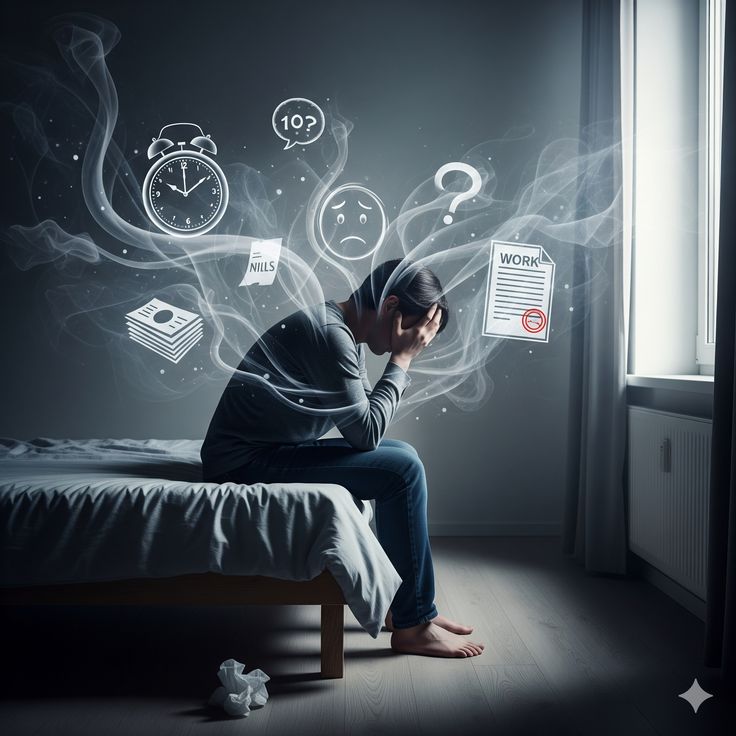
Anxiety is often misunderstood as just occasional worry or stress. In reality, it can be a persistent and overwhelming experience that quietly affects many aspects of a person’s life. While some signs of anxiety are visible, many struggles remain hidden beneath the surface, making it difficult for others to truly understand what someone is going through.
From constant overthinking to physical symptoms that interfere with daily routines, anxiety can take a toll on both mental and physical well-being. Recognizing these hidden challenges is the first step toward managing them effectively and building a healthier, more balanced life.
Understanding the Silent Impact of Anxiety
Anxiety does not always present itself in obvious ways. Many individuals continue to go about their daily lives while internally battling racing thoughts, fear, or a sense of unease. This silent nature of anxiety is what makes it particularly challenging.
People experiencing anxiety often become skilled at masking their feelings. They may appear calm in social situations or productive at work, yet internally, they are dealing with constant mental pressure. This disconnect can lead to feelings of isolation, as others may not recognize the extent of their struggle.
Many people silently deal with overwhelming thoughts and emotions, often delaying finding help for anxiety struggles until their symptoms begin to affect daily life and overall well-being.
Additionally, anxiety can affect decision-making, concentration, and emotional stability. Even simple tasks may feel overwhelming, leading to frustration and self-doubt over time.
Common Hidden Struggles People Face
While anxiety affects everyone differently, there are several common challenges that many individuals share:
1. Overthinking and Mental Exhaustion
One of the most draining aspects of anxiety is the tendency to overanalyze situations. Thoughts can spiral quickly, turning minor concerns into major worries. This constant mental activity can lead to fatigue and difficulty focusing.
2. Physical Symptoms Without Clear Causes
Anxiety often manifests physically, causing symptoms such as headaches, muscle tension, fatigue, or digestive issues. These symptoms may appear without any obvious medical reason, adding to confusion and stress.
3. Avoidance Behaviors
To cope with anxiety, individuals may start avoiding situations that trigger discomfort. While this may provide temporary relief, it can limit personal growth and reinforce anxious patterns over time.
4. Sleep Disturbances
Racing thoughts and heightened alertness can make it difficult to fall or stay asleep. Poor sleep further intensifies anxiety, creating a challenging cycle to break.
5. Difficulty Expressing Emotions
Many people struggle to communicate what they are feeling, either due to fear of judgment or lack of understanding. This can lead to bottled-up emotions and increased stress.
Why Anxiety Often Goes Unnoticed
There are several reasons why anxiety can remain hidden for long periods. Social expectations often encourage people to appear “strong” or composed, discouraging open conversations about mental health. In some cases, individuals may not even recognize their symptoms as anxiety, assuming that their experiences are normal or temporary.
Moreover, stigma around mental health can prevent people from seeking support. The fear of being misunderstood or labeled can keep individuals silent, even when they are struggling significantly.
Practical Ways to Overcome Anxiety
Although anxiety can feel overwhelming, there are practical and effective strategies that can help manage symptoms and improve overall well-being. These approaches focus on building resilience, improving self-awareness, and creating supportive habits that support long-term emotional balance.
1. Develop Awareness of Your Triggers
Understanding what triggers your anxiety is an essential first step. Triggers can include specific situations, environments, or even certain thought patterns. Keeping a journal can help identify patterns and provide insights into what may be contributing to your anxiety.
Once you are aware of your triggers, you can begin to develop strategies to manage them more effectively.
2. Practice Mindfulness and Grounding Techniques
Mindfulness helps bring your focus back to the present moment, reducing the intensity of anxious thoughts. Simple practices such as deep breathing, meditation, or observing your surroundings can help calm your mind.
Grounding techniques, like focusing on your senses, can also help interrupt cycles of overthinking and bring a sense of stability.
3. Build a Healthy Routine
Consistency plays a significant role in managing anxiety. Establishing a daily routine that includes regular sleep, balanced meals, and physical activity can help regulate your mood and energy levels.
Exercise, in particular, is known to reduce stress hormones and improve overall mental health. Even a short daily walk can make a noticeable difference.
4. Challenge Negative Thought Patterns
Anxiety often thrives on negative or distorted thinking. Learning to question these thoughts can help reduce their impact. Ask yourself whether your concerns are based on facts or assumptions.
Replacing negative thoughts with more balanced perspectives can gradually change how you respond to anxiety-provoking situations.
5. Strengthen Your Support System
Connecting with others can make a significant difference in managing anxiety. Talking to friends, family members, or support groups can provide comfort and perspective.
Professional guidance can also offer structured support, coping strategies, and a safe space to explore emotions without judgment.
6. Set Realistic Expectations
Perfectionism and unrealistic expectations can intensify anxiety. Learning to set achievable goals and accepting that mistakes are part of growth can help reduce pressure.
Breaking tasks into smaller, manageable steps can also make them feel less overwhelming.
7. Limit Exposure to Stressors
While it may not be possible to eliminate all sources of stress, reducing unnecessary exposure can help. This might include limiting time spent on social media, setting boundaries in relationships, or managing workload more effectively.
Creating a balanced environment supports mental clarity and emotional stability.
8. Seek Professional Support When Needed
If anxiety begins to interfere significantly with daily life, seeking professional help is an important step. Therapists and mental health professionals can provide personalized strategies tailored to your needs.
Therapy approaches such as cognitive-behavioral techniques are particularly effective in helping individuals understand and manage anxiety.
The Importance of Patience in Recovery
Overcoming anxiety is not an overnight process. It requires patience, consistency, and self-compassion. Progress may come in small steps, but each step forward contributes to long-term improvement.
It is also important to remember that setbacks are a natural part of the journey. Rather than viewing them as failures, they can be seen as opportunities to learn and grow.
Building Long-Term Emotional Resilience
Managing anxiety effectively involves more than just addressing immediate symptoms. It also includes building resilience to handle future challenges.
Developing healthy coping mechanisms, maintaining supportive relationships, and continuing self-reflection can strengthen your ability to navigate stress. Over time, these practices can help you feel more in control and confident in your ability to handle difficult situations.
Final Thoughts
Anxiety may be invisible to others, but its impact is very real. The hidden struggles that come with it can affect every aspect of life, from personal relationships to professional growth. However, with the right understanding and practical strategies, it is possible to manage anxiety and improve overall well-being.
By recognizing the signs, taking proactive steps, and seeking support when needed, individuals can move toward a healthier and more balanced life. The journey may not always be easy, but it is one that leads to greater self-awareness, strength, and resilience.